
The Art of Being a Good Neighbor: Cultivating Community Harmony
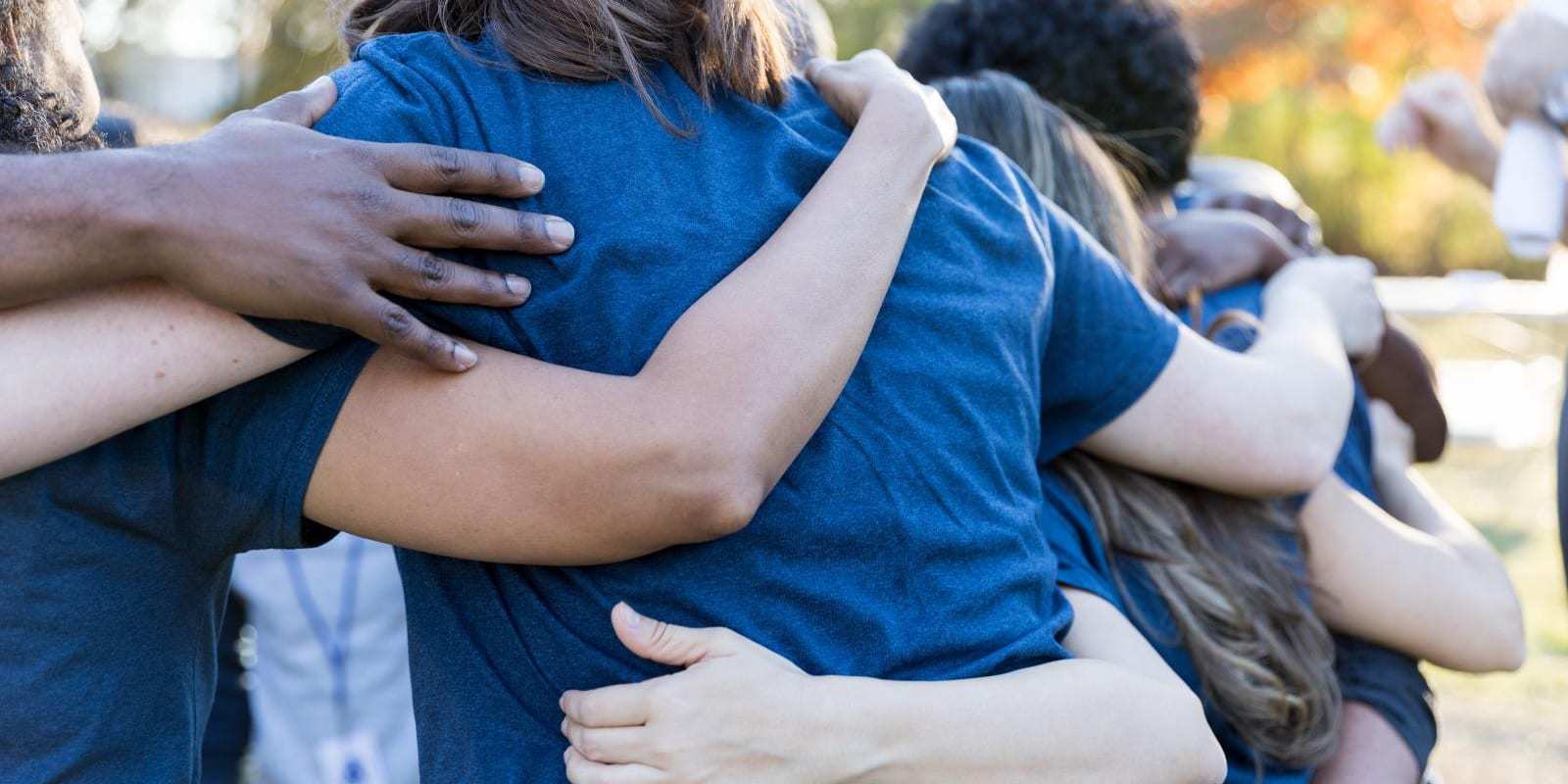
Living in a community isn’t just about having a home; it’s about being part of a neighborhood. Being a good neighbor plays a vital role in building a harmonious community. Here’s how you can cultivate these qualities and positively contribute to your neighborhood.
1. Respect for Others
Respect is the cornerstone of good neighborly relations. It encompasses:
- Noise Awareness: Being mindful of noise levels, especially during late hours.
- Property Boundaries: Respecting each other’s space and property lines.
- Diverse Lifestyles: Understanding and respecting diverse backgrounds and lifestyles.
2. Communication Skills
Effective communication fosters better relationships:
- Open Dialogues: Approach neighbors for friendly chats or to discuss concerns.
- Community Meetings: Participate in HOA or community meetings to stay informed and involved.
- Conflict Resolution: Address conflicts calmly and seek amicable solutions.
3. Helpfulness and Support
A supportive community is a strong one:
- Lending a Hand: Offer help with tasks like gardening or moving furniture.
- Support in Times of Need: Be there for neighbors during emergencies or personal struggles.
- Sharing Resources: Share tools, books, or even parking spaces when possible.
4. Observing Community Rules
Adhering to community guidelines ensures a peaceful environment:
- Following HOA Guidelines: Respect and follow the rules set by your HOA.
- Maintaining Property Appearance: Keep your property clean and well-maintained.
- Participating in Community Projects: Engage in community improvement initiatives.
5. Inclusivity and Engagement
Fostering a sense of belonging strengthens community bonds:
- Welcoming New Residents: Introduce yourself to new neighbors and make them feel welcome.
- Organizing Social Events: Initiate or participate in community events and gatherings.
- Volunteering: Take part in local volunteering activities to benefit the community.
Tips for Being a Good Neighbor
- Be Approachable: Greet neighbors with a smile and be open to conversations.
- Communicate Proactively: Inform neighbors about parties or renovations that might affect them.
- Offer Assistance: Whether it’s pet-sitting or collecting mail, small gestures can make a big difference.
- Be Considerate: Avoid actions that could inconvenience your neighbors, like blocking driveways or loud late-night activities.
- Show Appreciation: Express gratitude when neighbors help you out.
- Stay Positive: A positive attitude can improve interactions and community spirit.
Conclusion
Being a good neighbor is about more than just friendliness; it’s about fostering a community spirit that makes everyone feel at home. By respecting others, communicating effectively, being helpful, adhering to community norms, and promoting inclusivity, you can contribute to creating a neighborhood that is not just a place to live, but a true community to be part of. Remember, a harmonious community begins with each individual’s effort and commitment to being a good neighbor.


