
How to Run HOA Board Meetings That Actually Get Things Done
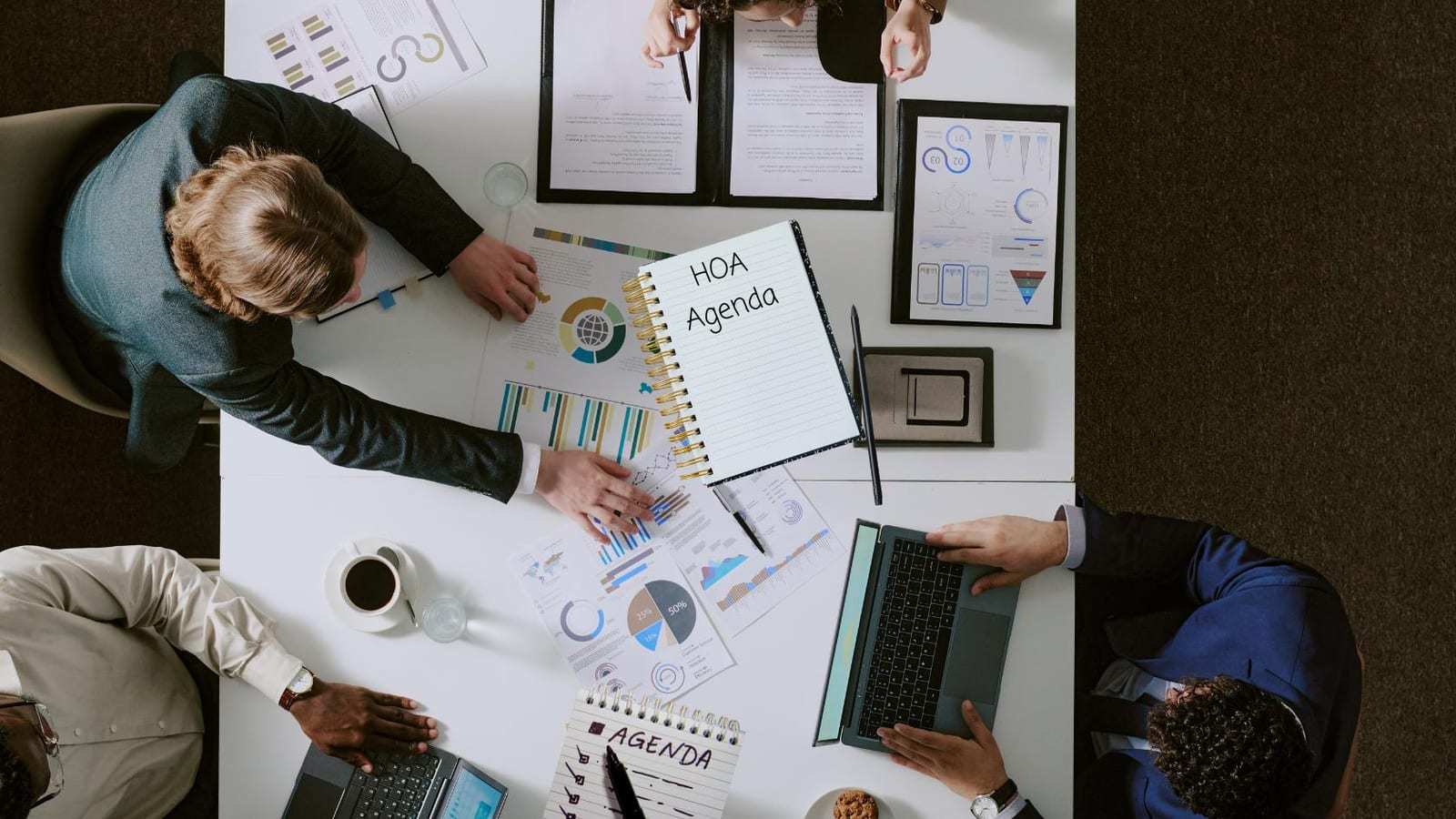
Most HOA board members volunteer their time with good intentions, yet meetings often run long, drift off topic, and end without clear decisions. Over time, this leads to burnout, frustration, and the feeling that meetings are more exhausting than productive.
Great meetings are not about talking less. They are about structure.
When boards agree on how meetings should run, discussions stay focused, decisions move forward, and everyone leaves knowing what happens next.
Why HOA Meetings Go Off the Rails
Meetings tend to spiral when there is no shared structure. Common issues include:
- No clear agenda
- Discussions jumping between topics
- Unclear decision points
- Side conversations and interruptions
- No follow-up or accountability
These problems are rarely about personalities. They are almost always about process.
The Role of a Clear Agenda
An agenda is the backbone of a productive meeting. It sets expectations before the meeting even begins and keeps discussion grounded once the meeting starts.
A strong agenda:
- Defines what will be discussed
- Identifies which items require decisions
- Helps the chair keep the meeting on track
- Signals respect for everyone’s time
Agendas should be shared in advance so board members can prepare and discussions stay focused.
Start Meetings the Right Way
Productive meetings begin with clarity.
At the start of every meeting, the board should:
- Call the meeting to order
- Confirm quorum
- Review the agenda
Confirming quorum ensures the board can legally make decisions.
What HOA Boards Need to Know About Quorum
Keep Discussion Focused on Decisions
Not every agenda item requires a vote, but every agenda item should have a purpose.
During discussion, boards should be able to answer:
- Is this an update, discussion, or decision?
- What outcome are we aiming for?
- Do we need a motion?
Clear decision-making practices prevent meetings from becoming endless discussions.
Use Structure to Prevent Conflict
Structure is not about control. It is about fairness.
Following consistent meeting practices:
- Gives every board member a chance to speak
- Reduces interruptions and side conversations
- Prevents meetings from becoming personal or emotional
- Builds trust with homeowners who attend
Clear expectations around conduct also help meetings stay respectful.
HOA Board Meeting Etiquette Tips
End Meetings With Clear Next Steps
A meeting is only successful if everyone knows what happens next.
Before adjourning, boards should:
- Summarize decisions made
- Assign follow-up tasks
- Confirm deadlines
These details should be reflected in the meeting minutes so there is no confusion later.
Meeting Minutes: A Guide to Efficient HOA Documentation

Download an HOA Meeting Agenda Template
Tired of chaotic, unstructured HOA meetings? Get organized with our free HOA Meeting Agenda Template designed to keep discussions on track, ensure important topics are covered, and make meetings more efficient.
Shorter Meetings Are a Result of Better Planning
Boards often try to shorten meetings by rushing discussion. In reality, the most effective way to save time is better preparation.
Clear agendas, shared expectations, and consistent decision-making processes allow meetings to move efficiently without sacrificing participation.
Productive Meetings Build Momentum
When meetings are structured and purposeful, board service becomes more sustainable. Board members feel heard, homeowners see progress, and trust builds across the community.
If your meetings feel long or unproductive, the solution is rarely more effort. It is almost always better structure.


